A roof doesn’t really need to look visibly damaged to let water in. Those tiny gaps at joints, ageing membranes, worn coatings, and hairline cracks can be mostly invisible from the ground, and still it’s exactly those places where water finds its way through in Melbourne’s wetter months. Roof sealing is the sort of work that closes those openings before they turn into a proper leak— and at Roof Care, it’s one of the most budget friendly ways we help Melbourne homeowners safeguard a roof that still has plenty of life left in it.This page explains what roof sealing actually involves, when it’s the right move, and what you should expect if you’re getting your roof assessed.
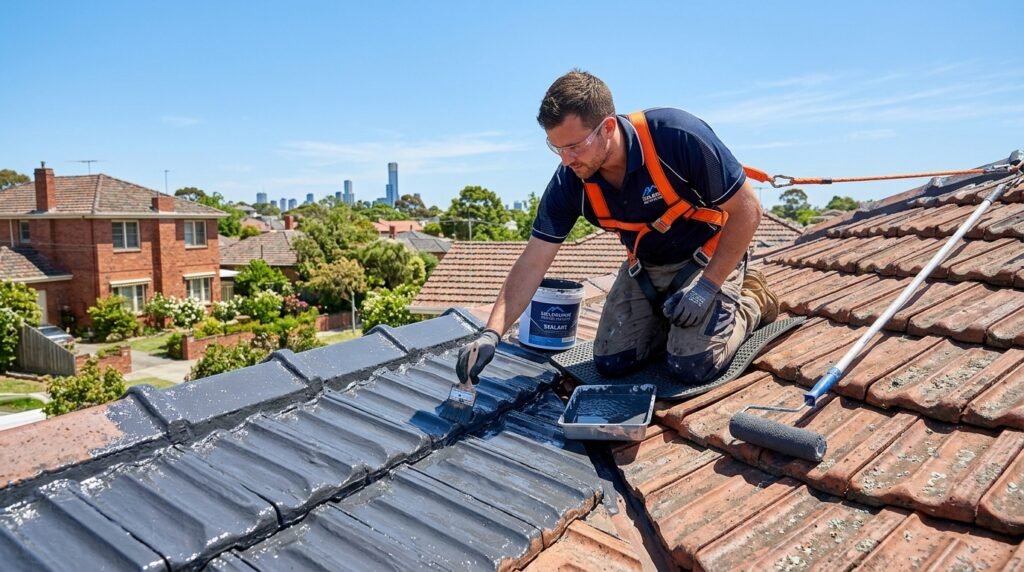
Honestly, at its core, sealing kind of builds a continuous waterproof shield across roof bits that are otherwise exposed— the joints, the seams , the fastener points, and the aging surfaces where the first protective coat has worn down a bit too much. This isn’t the same as doing a full restoration, because that one deals with the whole roof, and it’s not quite a repair either, which just fixes one specific issue. Sealing is kind of in between all that: a proactive, focused treatment, made to stop small vulnerabilities from turning into actual leaks.
You can picture it as maintenance, not an emergency fix. A roof that’s sealed properly ( and kept on schedule ) usually won’t need those rush, urgent leak repairs that show up when years of slow wear get ignored.
When Roof Sealing Is the Right Solution
Sealing isn’t the answer to every roofing problem, but it’s genuinely effective in a number of common situations:
If there is any structural damage, cracks, or deterioration in your roof to begin with, then a seal may not necessarily be enough, which is why the other two options might be the way to go, something we will inform you of during an inspection.
Trustindex verifies that the original source of the review is Google. 61 Roof Care we’re very quick to respond to my enquiry and attended the very next day. They were super helpful and professional. I had a leak in my roof which Sid repaired on the spot and then returned to repoint my house a few days later which was extremely prompt and necessary as the weather that week was raining. I appreciated the service and highly recommend them to others. Genuine care to assist people with their roofing needs and very reasonably priced. Thank you!Posted on GoogleTrustindex verifies that the original source of the review is Google. Rohail did a great job, I wouldn't be happier. Much appreciated 🙏Posted on GoogleTrustindex verifies that the original source of the review is Google. Couldnt be more happier with his services! Came at short notice, straightaway fixed the issue. Thank you so much Sid!Posted on GoogleTrustindex verifies that the original source of the review is Google. Outstanding service. Restored my whole roof. Highly recommended!Posted on GoogleTrustindex verifies that the original source of the review is Google. Friendly, honest and excellent service. I recommend these guys.Posted on GoogleTrustindex verifies that the original source of the review is Google. Very happy with Muhammad's work on our roof. He made himself available at short notice to fix a leak and then came back to do some further maintenance for us on the roof. He was friendly, professional and prompt. He answered all our questions to make sure we understood the work he had done. Would definitely recommend the 61 Roof Care team. Thanks Muhammad!Posted on GoogleTrustindex verifies that the original source of the review is Google. Muhammad and his team were prompt, professional and worked with care. He was happy to answer all my questions. Would recommend!Posted on GoogleTrustindex verifies that the original source of the review is Google. Great servicePosted on GoogleTrustindex verifies that the original source of the review is Google. Rosh and his team did a good job. They have good work and proper explaination. Very much satisfied. Recommend to others excellent service.Posted on GoogleTrustindex verifies that the original source of the review is Google. The team did an excellent job on our roof. Very professional, reliable, and easy to communicate with. Everything was done on time and to a high standard. Highly recommend their services!
When you hire us, you get a team that believes in honesty, quality and great customer service. No shortcuts, no hidden fees — just genuine workmanship built to last.


Melbourne CBD • Northern Suburbs • Western Suburbs • Eastern Suburbs • Southern Suburbs • Mornington Peninsula • Geelong
All roof sealings are not the same, and it will depend upon your particular roof and what it is trying to protect from. We can offer:
Acrylic roof sealants — It is a highly resilient coating that can be applied to various types of roofs. It has great UV resistance and flexibility properties since the roof will constantly expand and contract due to temperature variations.
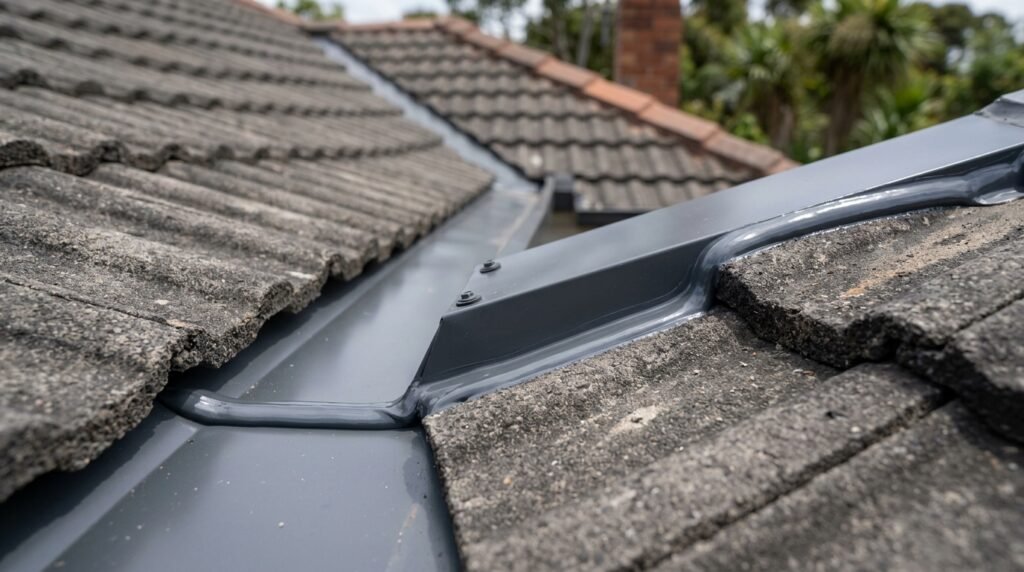
Silicone-based sealants —especially useful in joints, flashing, and places where movement is prevalent, as it is more important for such material to be flexible rather than cover the surface well.
Membrane sealing — For the areas with flat or low sloping roof, the continuous water-proof membrane gives better protection compared to that provided by normal coating.
Joint and seam sealing —application that is aimed specifically at the locations where two materials meet on the roof surface or where the fasteners have gone into the roof surface.
Ridge and valley sealing — strengthening the sections that receive the greatest flow of water on the roof, the sections where ordinary paint wears out first.
As we do our assessment, we will determine what kind is most appropriate for your roof, rather than offering an approach that might work for many roofs but may not be right for yours.
Unlike a leak, which announces itself fairly clearly, the need for sealing tends to show up more subtly. Watch for:
Identifying these symptoms at an early stage is precisely what sealing is all about; it is maintenance and not rescue, and it needs to be done before anything goes wrong.
It’s tempting to treat roof sealing like a weekend thing, grab a tub of sealant from a hardware store, and call it done. And honestly, for very minor , low risk touch-ups it can be totally reasonable. B ut pro sealing is a bit different in a few important ways, that affect how long the work really lasts:
If roof sealing is properly done, then it can provide many years of protection. However, if not properly done, it might lead to the accumulation of moisture, premature failure, or an illusory sense of security.
The cost of roof sealing depends upon the roof and the amount of work involved. While we conduct an inspection, we will examine:
Factor | Why it matters |
Roof size and pitch | Larger or steeper roofs require more material and time to seal properly |
Roof material | Various sealants must be used on different surfaces like metal, tile, and membranes |
Current condition | A roof that needs light sealing is cheaper than a roof that needs extensive surface preparation. |
Scope of sealing | Targeted joint sealing costs less than a full roof coating |
Access | Time and safety equipment need depend on steeper segments or multistorey buildings |
We give an estimate through writing after inspection instead of giving estimates over the telephone, because sealing is charged based on the state of the roof rather than per meter.
Roof sealing usually goes hand-in-hand with other roofing services, especially when the inspection shows further deterioration. We may need to recommend that you also have:
We’ll only recommend additional work where your roof genuinely needs it, and we’ll always explain why.
A professionally done roof seal will last between 7 to 15 years depending on the type of sealant used, the roof itself, and the climatic conditions in Melbourne. The inspection process will allow one to spot any signs of wear and tear early enough before the seal itself is destroyed.
Sealing is a focused process that prevents problems by sealing the joints and rejuvenating any coatings. However, restoration is a broader procedure, which includes repairing tiles, repointing, and recoating the entire roof.
Occasionally, if the leak is very small and results from a tiny gap or worn joint. An active leak, where there is an actual place through which water can enter, generally requires repair before the sealing process.
This will depend on the general condition of the roof. In case it is still intact, sealing it could be a good way to extend its lifespan by a number of years without spending much on restoring it.
Resealing is recommended at least once every seven to fifteen years for most roofs, although this depends on various factors such as materials, exposure to sunlight, and maintenance.